
Mochi in Escondido, CA
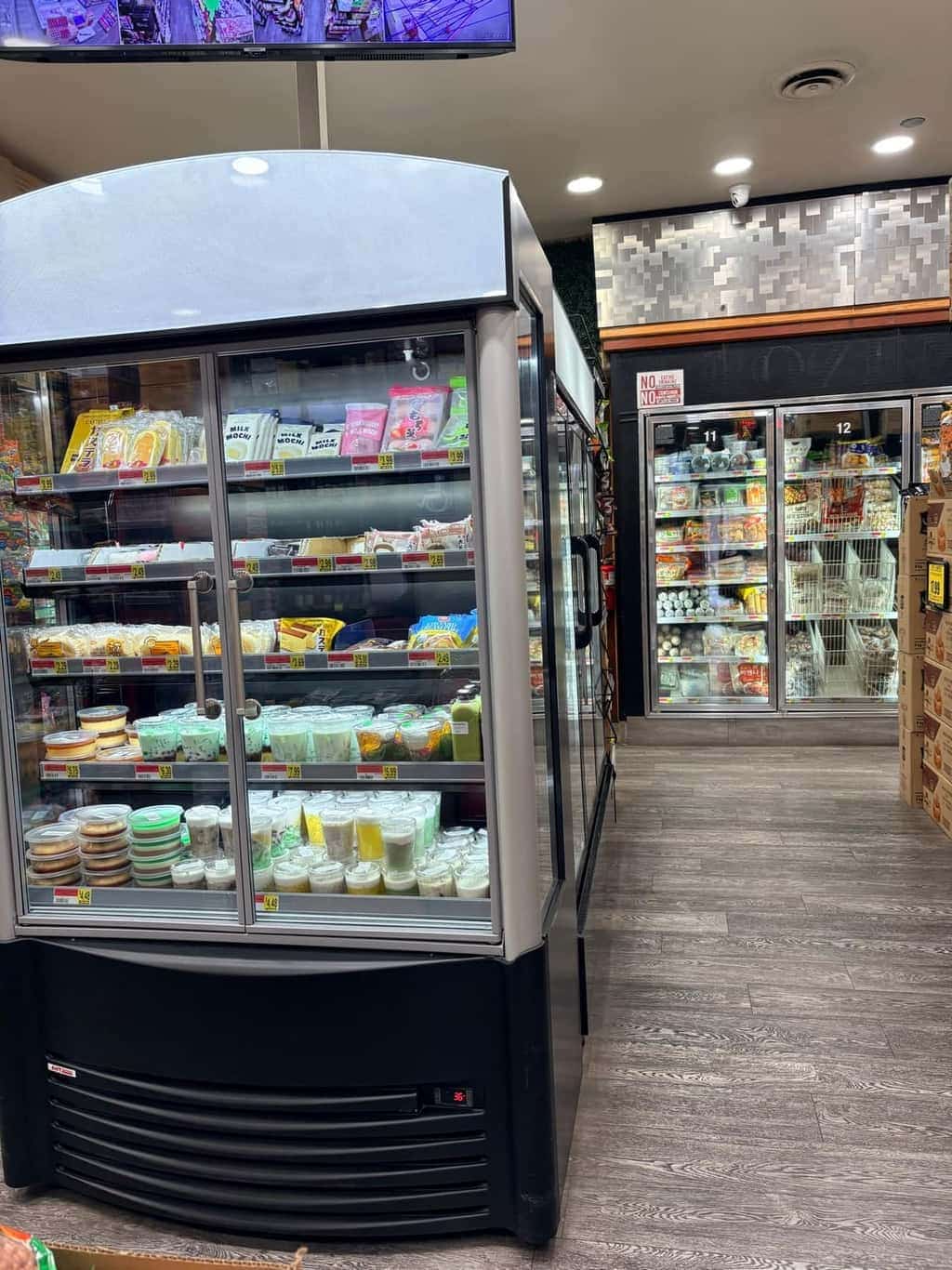
The current catalog has several kinds of mochi. Search “mochi” for the live list and each item’s store location. Filled shelf-stable mochi, plain rice cakes, snack cakes, and frozen mochi ice cream are different foods, so check the full product name.
Asian Market La Sorpresa Barata
850 E. Valley Pkwy, Escondido, CA 92025
Quick definition
A Japanese rice-cake category traditionally made by pounding steamed glutinous rice; many modern filled and frozen sweets use mochi-style dough.
Mochi at a glance
- What it is
- A Japanese rice-cake category traditionally made by pounding steamed glutinous rice; many modern filled and frozen sweets use mochi-style dough.
- Also known as
- Japanese mochi, mochi ice cream
- Names you may see
- Japanese: 餅 (mochi)Japanese: 大福 (daifuku), filled mochi sweet
- Cuisine
- Japanese, Korean
- Typical forms
- Plain kirimochi blocks, filled daifuku, shelf-stable sweets, snack cakes, and frozen mochi ice cream
- Common uses
- New Year soup, grilled rice cakes, daifuku, wagashi, ice cream, and sweet snacks
- Where current matches are located
- Aisle 1 · Snacks & Candy
What is mochi?
Mochi is Japanese rice cake traditionally made by pounding steamed mochigome, a short-grain glutinous rice, into an elastic mass.
Plain mochi can be cut into blocks, grilled until puffed, simmered in soup, or served with sweet or savory toppings. Daifuku wraps a soft mochi layer around fillings such as red bean paste, fruit, sesame, or cream. These confections are what many packaged snack boxes call simply “mochi.”
Mochi ice cream is a modern frozen dessert: a thin mochi-style wrapper surrounds a small scoop of ice cream. It is one branch of the category, not the definition of mochi itself. Likewise, Taiwanese-style filled rice cakes and other chewy sweets may be merchandised beside Japanese mochi but have their own recipes and traditions.
What we carry
These matches come from the same inventory source as our in-store locator. Selection can change; use the locator for the complete current list and exact location.
Royal Family Mochi Ube
7.4 OZ
GroceryAisle 1 · Snacks & CandyYuki Love Mochi Cake
15.8 OZ
GroceryAisle 1 · Snacks & CandyYuki & Love Mochi Coco
120 G
GroceryAisle 1 · Snacks & CandyRoyal Family Mochi Kiwi
5.9 OZ
GroceryAisle 1 · Snacks & CandyRoyal Family Mochi Lemon
5.9 OZ
GroceryAisle 1 · Snacks & CandyRoyal Family Mochi Mango
7.6 OZ
GroceryAisle 1 · Snacks & Candy
Varieties and forms
Kirimochi
Firm rectangular pieces of plain dried mochi for grilling, soup, or sweet toppings. They require cooking and are not eaten like soft snack daifuku.
Daifuku
Soft mochi wrapped around a filling such as anko red bean, white bean, sesame, fruit, or cream.
Mochi ice cream
Small frozen portions of ice cream in a thin chewy wrapper. Letting them temper briefly can improve texture, following the box.
Shelf-stable flavored mochi
Individually wrapped sweets in flavors such as matcha, taro, peanut, sesame, or fruit, often with a softer starch-based dough.
How is mochi eaten?
Identify whether the package is ready to eat, frozen, or a plain cooking mochi. Preparation changes completely between those formats.
Ozoni
Japanese New Year soup with softened mochi and regional combinations of broth and vegetables.
Isobeyaki
Grilled mochi brushed with soy sauce and wrapped in nori.
Daifuku
Soft filled mochi served as a sweet with tea.
Mochi ice cream
A frozen bite whose wrapper softens slightly after a short rest out of the freezer.
Mochi vs. mochi ice cream
Mochi is the rice-cake tradition and texture; mochi ice cream is one frozen dessert that uses a thin mochi-style exterior.
Traditional mochi
Can be plain, grilled, cooked in soup, or made into filled sweets. It is not inherently frozen or filled with dairy.
Mochi ice cream
Always a frozen filled product. The cold center and thin wrapper create a different eating texture.
Shopping clue
Look in both shelf-stable dessert areas and freezers, then read whether the package is ready to eat or needs cooking.
How should you store and serve mochi?
Follow the product type. Frozen mochi ice cream, shelf-stable sealed sweets, refrigerated fresh daifuku, and dry kirimochi all require different storage.
Mind the chew
Mochi is dense and sticky. Serve manageable pieces and chew thoroughly, especially for children and anyone who has difficulty swallowing.
Temper frozen pieces as directed
A brief rest can soften mochi ice cream, but do not leave dairy products unrefrigerated beyond safe handling guidance.
Cook kirimochi
Plain hard blocks are meant to be toasted, grilled, or simmered according to the package, not eaten straight from the wrapper.
Related ingredients
Explore the full japanese pantry
See related pantry staples, fresh ingredients, departments, and dishes on our Japanese grocery guide. Mochi is also used in Korean cooking.
Mochi FAQ
Where can I buy mochi in Escondido?
Search “mochi” in Asian Market Escondido’s product locator. The current listings show a wide selection and whether the item is in a snack aisle, freezer, or another section.
Is all mochi ice cream?
No. Mochi predates the frozen dessert by centuries and includes plain rice cakes, grilled or soup preparations, and filled sweets such as daifuku.
Is mochi made from regular rice flour?
Traditional mochi uses glutinous short-grain rice. Many modern sweets use glutinous rice flour or starch blends to reproduce a soft, elastic dough.
Does mochi contain gluten?
Glutinous rice itself does not mean wheat gluten, but fillings, flavorings, sauces, and shared equipment vary. Check the exact package for dietary needs.
Find mochi at Asian Market Escondido
850 E. Valley Pkwy, Escondido, CA 92025. Open 8:00 AM–8:00 PM, seven days a week. Free parking at the door, two minutes off I-15 at Valley Parkway.
- Address
- 850 E. Valley Pkwy, Escondido
- Hours
- 8:00 AM–8:00 PM · 7 days
- Phone
- (760) 735-9650