
Miso Paste in Escondido, CA
White and blended miso pastes are showing in the current catalog. The locator has the live products and shelf locations. Read the package before buying because shiro, aka, and awase miso differ in salt, sweetness, and strength.
Asian Market La Sorpresa Barata
850 E. Valley Pkwy, Escondido, CA 92025
Quick definition
A Japanese fermented paste made from soybeans, salt, and koji cultured on rice, barley, soybean, or another grain.
Miso Paste at a glance
- What it is
- A Japanese fermented paste made from soybeans, salt, and koji cultured on rice, barley, soybean, or another grain.
- Also known as
- miso, white miso, shiro miso, red miso, aka miso, awase miso
- Names you may see
- Japanese: 味噌 (miso)Japanese: 白味噌 (shiro miso), white misoJapanese: 赤味噌 (aka miso), red misoJapanese: 合わせ味噌 (awase miso), blended miso
- Cuisine
- Japanese
- Typical forms
- Refrigerated tubs or pouches labeled white, yellow, red, barley, soybean, or awase
- Common uses
- Miso soup, marinades, glazes, dressings, hot pots, ramen, vegetables, and desserts
- Where current matches are located
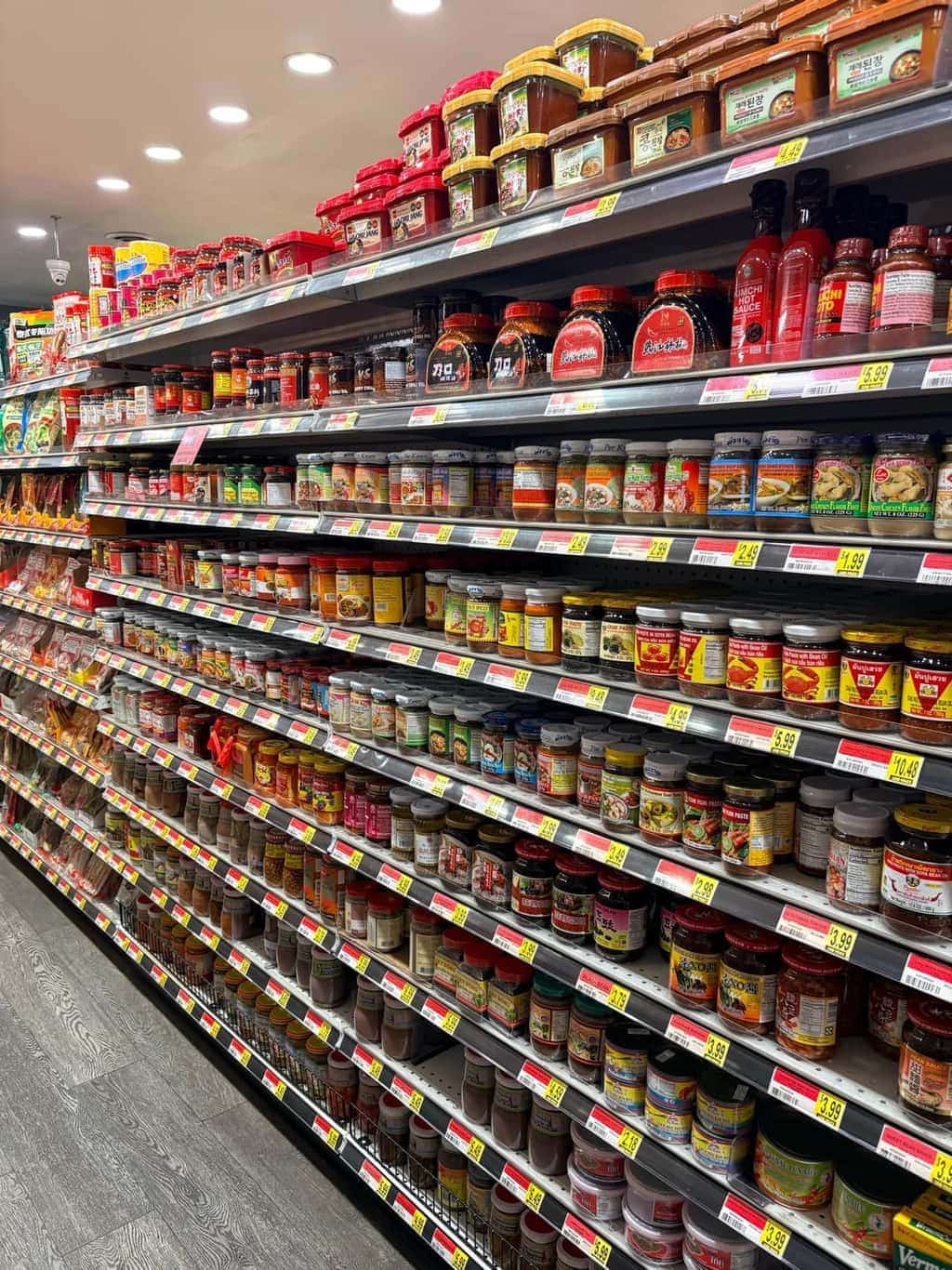
- Aisle 3 · Noodles, Canned Goods & Seasonings
What is miso paste?
Miso is a Japanese fermented seasoning paste whose flavor changes with its koji base, soybean ratio, salt, region, and aging time.
Koji is grain or soybean cultured with Aspergillus oryzae. Its enzymes transform cooked soybeans and starches during fermentation. The finished paste may be pale, sweet, and creamy or dark, salty, and deeply savory. Color is a useful shopping cue, but two pale misos can still differ in sweetness and salt.
Miso is most familiar in soup, yet boiling a full pot aggressively is not necessary. Many cooks dissolve the paste in a ladle of hot broth and return it near the end, preserving a fresher aroma. The same paste can season fish, eggplant, salad dressing, butter, noodles, or caramel, but the amount must change with the miso’s intensity.
What we carry
These matches come from the same inventory source as our in-store locator. Selection can change; use the locator for the complete current list and exact location.
Hikari Miso Miso Paste
750 G
GroceryAisle 3 · Noodles, Canned Goods & SeasoningsMarukome Miso Paste (awase) W/ Mixed Grains
22.9 OZ
GroceryAisle 3 · Noodles, Canned Goods & SeasoningsHikari Miso Miso Soybean Paste
26.4 OZ
GroceryAisle 3 · Noodles, Canned Goods & SeasoningsShinshu Miso Soybean Paste White
35.2 OZ
GroceryAisle 3 · Noodles, Canned Goods & Seasonings
Varieties and forms
Shiro miso (white miso)
Usually pale, smooth, and relatively sweet with a shorter aging profile. Good for dressings, light soup, fish marinades, and vegetables.
Aka miso (red miso)
Typically darker, more mature, and assertive. It stands up to hearty soup, braises, mushrooms, and bold glazes.
Awase miso
A blend, often combining light and dark miso for balanced sweetness and depth. It is a versatile everyday choice.
Mugi and hatcho-style miso
Barley miso brings its own grain character; soybean-heavy hatcho-style miso is dark and intense. Read the label for the actual base.
What do you use miso paste for?
Whisk miso with a little warm liquid before adding it to a larger mixture. This prevents lumps and makes it easier to judge salt and concentration.
Miso soup
Dashi, miso, tofu, wakame, and scallion form the familiar everyday bowl.
Miso-glazed fish
A sweetened miso marinade seasons salmon, cod, or another rich fish.
Miso ramen
The paste adds body and fermented depth to a chicken, pork, or vegetable broth.
Miso dressing
Whisk with rice vinegar, sesame, neutral oil, and a little sweetener for greens or slaw.
Miso vs. doenjang
Both are fermented soybean pastes, but Japanese miso and Korean doenjang have distinct production traditions and flavor profiles.
Miso
Often relies on koji cultured on rice or barley and spans a broad range from sweet white miso to powerful red miso.
Doenjang
Usually tastes more rustic, earthy, and assertive, with a stronger soybean character in Korean soups and stews.
Substitution
One can provide fermented savoriness when the other is unavailable, but salt, sweetness, and quantity need adjustment. The dish will not be identical.
How should you store and use miso?
Most opened miso belongs in the refrigerator, tightly covered, but the package is the final authority. Its color may deepen gradually with time.
Use a clean utensil
Keep crumbs and excess moisture out of the tub and smooth the surface before closing.
Add in stages
Dissolve part of the measured miso, taste, and add more. A tablespoon of red miso can season more strongly than the same amount of white.
Avoid unnecessary hard boiling
For a fresh miso aroma in soup, stir it in after the main ingredients are cooked and keep the broth below a violent boil.
Related ingredients
Explore the full japanese pantry
See related pantry staples, fresh ingredients, departments, and dishes on our Japanese grocery guide.
Miso Paste FAQ
Where can I buy miso paste in Escondido?
Search “miso paste” in Asian Market Escondido’s live locator. Current online products include their in-store locations at 850 E. Valley Pkwy.
Which miso should I buy for miso soup?
White or awase miso is an approachable starting point, but regional soups use many styles. Choose based on the broth and how mild or bold you want the bowl.
Is red miso spicier than white miso?
“Red” usually signals darker color and a stronger, saltier fermented profile, not chile heat. It is more intense, but not spicy in the hot-pepper sense.
Can I substitute doenjang for miso?
In a pinch, but use less at first and expect a more earthy, assertive result. Taste for salt and do not present the finished flavor as identical.
Find miso paste at Asian Market Escondido
850 E. Valley Pkwy, Escondido, CA 92025. Open 8:00 AM–8:00 PM, seven days a week. Free parking at the door, two minutes off I-15 at Valley Parkway.
- Address
- 850 E. Valley Pkwy, Escondido
- Hours
- 8:00 AM–8:00 PM · 7 days
- Phone
- (760) 735-9650