
Kimchi in Escondido, CA
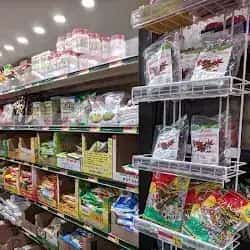
Cabbage and napa kimchi are showing in our current catalog. Open the product locator for the live list and shelf location. If you are after a certain style, brand, or container size, call before making a special trip.
Asian Market La Sorpresa Barata
850 E. Valley Pkwy, Escondido, CA 92025
Quick definition
A broad family of Korean fermented vegetable dishes; napa-cabbage baechu kimchi is the best-known style.
Kimchi at a glance
- What it is
- A broad family of Korean fermented vegetable dishes; napa-cabbage baechu kimchi is the best-known style.
- Also known as
- Korean kimchi, fermented Korean cabbage, baechu kimchi
- Names you may see
- Korean: 김치 (gimchi)Korean: 배추김치 (baechu kimchi), napa-cabbage kimchi
- Cuisine
- Korean
- Typical forms
- Refrigerated whole-leaf, sliced, cubed-radish, white, and ready-to-eat kimchi
- Common uses
- Banchan, kimchi jjigae, fried rice, pancakes, noodles, and grilled-meat meals
What is kimchi?
Kimchi is a Korean method and category of seasoned, fermented vegetables, not a single recipe.
The most familiar version is baechu kimchi: napa cabbage salted, seasoned, and fermented with ingredients that can include gochugaru, garlic, ginger, scallion, and fish sauce or salted seafood. Korea has many other styles built around radish, cucumber, mustard greens, and seasonal vegetables. Some are fiery and deeply fermented; others are crisp, pale, and mild.
Fermentation brings acidity and savory depth over time. A younger kimchi tends to be crunchy and bright, while a more mature container becomes tangier and softer. That change is useful rather than automatically a flaw: fresh-tasting kimchi is excellent beside rice, while assertively sour kimchi is often preferred for stews, fried rice, and pancakes.
What we carry
These matches come from the same inventory source as our in-store locator. Selection can change; use the locator for the complete current list and exact location.
Surasang Cabbage Kimchi (cut)
16 OZ · 30 OZ
GroceryJongga Kimchi(sliced Napa Cabbage )
3.3 LB
GrocerySinto Gourmet Spicy Red Kimchi Napa Cabbage
14 OZ
GroceryChongga Mat Kimchi (cut Cabbage Kimchi)
400 G · 1.2 KG
GroceryCosmos Kimchi / Spicy Pickled Nappa Cabbage
28 OZ
GroceryJ- Basket Napa Kimchi
2.64 OZ
Grocery
Varieties and forms
Baechu kimchi
The classic napa-cabbage style, sold whole-leaf or pre-cut. It works as a side dish and as the base for stews, rice, dumplings, and noodle bowls.
Kkakdugi
Cubed Korean radish kimchi with a firm, juicy crunch. It is especially good beside soups such as seolleongtang and other rich broths.
Baek kimchi
White kimchi made without a heavy red-chile seasoning. It is typically mild, refreshing, and aromatic rather than hot.
Young versus well-fermented
These are stages, not separate vegetables. Choose young kimchi for crisp banchan and mature kimchi when a recipe benefits from more acidity.
What do you use kimchi for?
Serve it straight from the container as banchan, or cook it when its acidity can season an entire dish. Older kimchi is particularly effective in hot preparations because its sourness stands up to broth, rice, pork, and tofu.
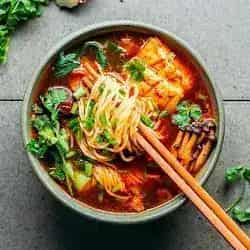
Spicy kimchi ramen
Kimchi and its brine deepen a quick Korean noodle broth.
View our recipeKimchi jjigae
A bubbling stew commonly built with mature kimchi, tofu, scallions, and pork or tuna.
Kimchi bokkeumbap
Fried rice seasoned by chopped kimchi, gochujang, and a little kimchi liquid.
Kimchijeon
Savory pancakes whose crisp edges balance the fermented cabbage.
Is kimchi the same as pickled cabbage or sauerkraut?
No. All three preserve vegetables with acidity, but their ingredients, processes, and finished flavors are different.
Kimchi
A large Korean category that may ferment cabbage or many other vegetables with aromatics and seasonings. Chile is common, but not required.
Sauerkraut
Usually finely cut cabbage fermented primarily with salt. Its flavor profile is simpler and it does not stand in for seasoned kimchi in most Korean dishes.
Quick-pickled cabbage
Often acidified directly with vinegar instead of developing acidity through fermentation. It can be crisp and tangy but lacks the same fermented depth.
How should you store and use kimchi?
Keep packaged kimchi refrigerated and follow the maker’s label. Fermentation continues slowly in the cold, so aroma, acidity, and pressure can change after opening.
Keep it cold
Return the container to the refrigerator promptly and close it securely. A secondary tray can catch an occasional drip from an active container.
Use clean utensils
A clean fork or tongs helps avoid introducing crumbs and other food into the container.
Cook the tangier portion
If the flavor becomes sharper than you enjoy as banchan, use it in stew, fried rice, ramen, or pancakes rather than discarding it solely for being sour.
Cook with kimchi
Related ingredients
Explore the full korean pantry
See related pantry staples, fresh ingredients, departments, and dishes on our Korean grocery guide.
Kimchi FAQ
Where can I buy kimchi in Escondido?
Check Asian Market Escondido at 850 E. Valley Pkwy. Search “kimchi” in the live product locator for current online listings and in-store locations; call ahead if you need a specific style or brand.
Is all kimchi spicy?
No. Red napa-cabbage kimchi often has noticeable chile, but heat varies, and white kimchi is made without a heavy red-pepper seasoning. Read the package when heat level matters.
Can kimchi be vegetarian?
Yes, but many traditional recipes use fish sauce or salted seafood. Look for a package explicitly labeled vegetarian or vegan rather than assuming from the vegetable base.
Why did my kimchi become more sour?
Its fermentation continues in the refrigerator, though more slowly. Increasing acidity is normal development; follow the package for storage and discard it if you notice signs of spoilage beyond the expected fermented aroma and texture.
Find kimchi at Asian Market Escondido
850 E. Valley Pkwy, Escondido, CA 92025. Open 8:00 AM–8:00 PM, seven days a week. Free parking at the door, two minutes off I-15 at Valley Parkway.
- Address
- 850 E. Valley Pkwy, Escondido
- Hours
- 8:00 AM–8:00 PM · 7 days
- Phone
- (760) 735-9650